ENFJ Personality Type: Traits, Function Stack, Love & Careers
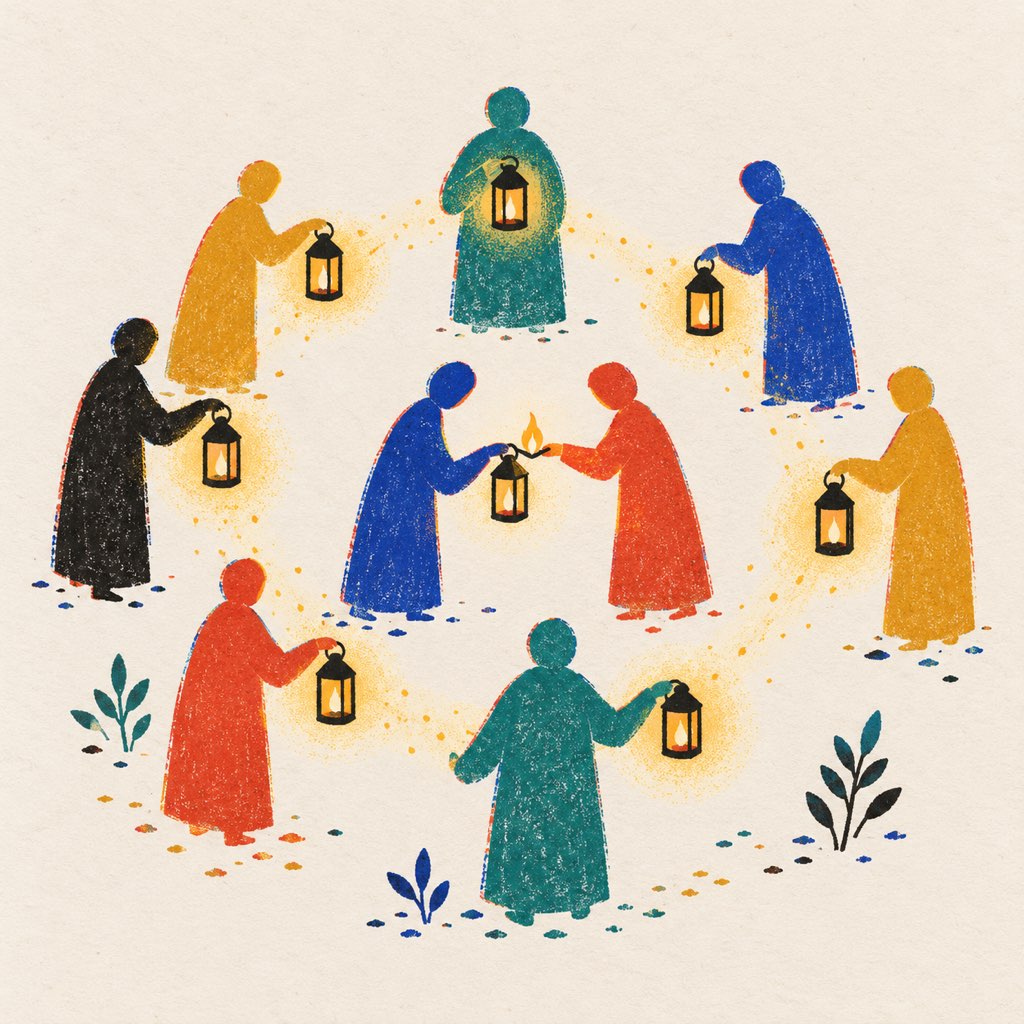
ENFJ is a personality type in four-letter Jungian typology made up of Extraversion, Intuition, Feeling and Judging. People who identify as ENFJ often rally others around a shared vision, notice what a group needs, and like to turn good intentions into organized action. Like any type, it describes tendencies and preferences, not a guarantee of how someone will behave.
What the letters in ENFJ mean
The E means an ENFJ tends to gain energy from interaction; conversations, meetings and shared projects usually lift them rather than drain them. The N shows a pull toward potential: what a person or a community could become, not only what it is today.
The F indicates that harmony, values and people's well-being play a central role in decisions. The J signals a fondness for plans, follow-through and clear agreements. These are preferences along a range, and a given ENFJ may be only mildly extraverted or quite flexible about schedules. Myers-Briggs Type Indicator® and MBTI® are trademarks of The Myers-Briggs Company; Traitprint is not affiliated.
The ENFJ function stack: Fe, Ni, Se, Ti
ENFJs lead with extraverted feeling (Fe), an outward attention to the emotional climate and to shared norms. It helps them read a room quickly and adjust their tone so people feel included. The auxiliary is introverted intuition (Ni), which gives them a sense of direction and a feel for where a person or group is headed.
The tertiary function, extraverted sensing (Se), brings enjoyment of real-world experiences, presentation and energy in the moment. The inferior, introverted thinking (Ti), handles detached analysis; it may feel uncomfortable, and under stress it can show up as cold, nitpicking self-doubt. The function-stack model is a later development built on Jung's work, so it is a helpful map rather than settled science.
ENFJ strengths and blind spots
ENFJs are often the person who notices a newcomer standing alone and brings them into the conversation. They are good at encouraging others, articulating a common goal and keeping morale up when a project gets hard. Many are natural teachers and mentors.
Their blind spots tend to mirror these gifts. Because they feel responsible for everyone's mood, ENFJs may overextend, say yes too often or quietly steer people toward choices the ENFJ thinks are best. Criticism can sting, and they may struggle to admit their own needs when they are used to being the helper.
ENFJs in friendship and love
As friends, ENFJs are generous with time and attention. They remember birthdays, check in after hard weeks and often act as the organizer who keeps a group together. Friendships deepen when others also show interest in the ENFJ's inner world.
In romance they usually invest wholeheartedly and value open communication. They can benefit from a partner who welcomes their care while encouraging them to rest. Type compatibility charts are popular, but they are folklore; no pairing guarantees a happy relationship.
Work and career paths for ENFJs
ENFJs often look for roles where they can develop people and see the human result of their effort. Teaching, coaching, counseling, ministry, public relations, nonprofit leadership, people management and event organizing are frequent interests, as are healthcare roles with lots of patient contact.
They may feel out of place in isolated, purely technical jobs with little collaboration, or in cultures that reward cutthroat competition. Still, any ENFJ can succeed in a wide range of fields, especially when they find a way to mentor or connect others within it. Clear purpose, visible progress and colleagues who appreciate encouragement tend to matter more to their satisfaction than the job title itself.
Common myths about ENFJs
One myth claims ENFJs are manipulative because they read people well. Social awareness is a tool; most ENFJs use it to include and support, and they are often troubled by the thought of misleading anyone. Another myth says they are always upbeat, when many experience private exhaustion behind a cheerful public face.
A third suggests ENFJs cannot think critically. Inferior Ti may be less practiced, but plenty of ENFJs reason carefully, particularly when a decision affects people they care about.
ENFJ, the Enneagram and the Big Five
Among typology fans, ENFJs often relate to Enneagram Type 2, Type 3 or Type 1. These are informal tendencies from theory and community discussion, and any Enneagram type is possible.
In Big Five language, the ENFJ profile usually resembles higher extraversion, higher agreeableness, above-average conscientiousness and healthy openness. The Big Five treats each trait as a sliding score, so the Big Five test can show where you actually land.
Growth tips for ENFJs
Tertiary Se invites ENFJs to enjoy the present without a purpose attached: a hobby done for its own sake, a meal with no agenda, time outdoors. These moments refill the tank that constant helping empties.
For inferior Ti, practice stepping back before reacting to feedback. Ask what is accurate in it, what is not, and what you would conclude if the comment came from a stranger. Learning to say no kindly, and to ask for help, is another quiet but powerful step. To check your own stack, take the cognitive functions test.
- Makes people feel seen and included
- Articulates a shared vision
- Organizes groups toward a goal
- Encouraging coach and mentor
- Reliable follow-through on commitments
- Overcommits to keep everyone happy
- Neglects their own needs
- Takes criticism to heart
- May push their idea of what is best
- Uneasy with cold, impersonal analysis
FAQ
Is ENFJ a rare personality type?
You will often read that ENFJ is uncommon, but there is no reliable population data to confirm it. Published estimates differ by sample, method and the questionnaire used, and many come from people who chose to take an online quiz. Whether common or not, frequency says nothing about how valuable a type is.
What is the difference between ENFJ and ENFP?
ENFJs lead with extraverted feeling and like structure, so they tend to organize people around a plan. ENFPs lead with extraverted intuition and prefer to keep options open, so they tend to generate ideas and follow inspiration. Both are warm and people-focused, but ENFJs usually push for closure while ENFPs enjoy exploring.
Are ENFJs good leaders?
Many ENFJs gravitate toward leadership and do well in it, particularly in roles centered on developing people. They motivate through encouragement and shared purpose. Their growth edges often include making tough calls that disappoint someone, delegating without hovering, and protecting their own energy.
Can an ENFJ be introverted?
The E in ENFJ reflects a general preference, and many people sit close to the middle. An ENFJ may enjoy leading a workshop and still need a quiet evening afterward. If you consistently recharge alone, a type like INFJ may describe you better, so compare the descriptions and see which fits.
Can your type change from ENFJ?
Questionnaire results can shift, especially when a letter is close to the midpoint or when life circumstances change how you answer. Most theorists see preferences as fairly steady while skills continue to grow, so treat a new result as information to explore rather than a contradiction.
INFJ is a personality type in Jungian-style typology that combines Introversion, Intuition, Feeling and Judging. People who identify with it tend to r…
ENFP is one of the 16 four-letter types in Jungian-inspired typology, combining Extraversion, Intuition, Feeling and Perceiving. ENFPs tend to be curi…
ESFJ is one of the 16 four-letter personality types, short for Extraversion, Sensing, Feeling and Judging. ESFJs tend to be sociable, considerate and …
- INTJ Personality Type
- INTP Personality Type
- ENTJ Personality Type
- ENTP Personality Type
- INFJ Personality Type
- INFP Personality Type
- ENFJ Personality Type
- ENFP Personality Type
- ISTJ Personality Type
- ISFJ Personality Type
- ESTJ Personality Type
- ESFJ Personality Type
- ISTP Personality Type
- ISFP Personality Type
- ESTP Personality Type
- ESFP Personality Type
For self-reflection and entertainment only — not a clinical or diagnostic assessment.